Building a Strong Business Credit Score: A Comprehensive Guide for Entrepreneurs
Building a robust business credit score is one of the most strategic moves any business owner can make. Unlike personal credit, which ties directly to your individual financial history, business credit stands on its own, allowing companies to access funding, negotiate better terms with suppliers, and grow without relying solely on personal guarantees. A strong business credit profile can mean the difference between securing favorable loans or being stuck with high-interest options—or worse, no financing at all.
In this guide, we'll dive deep into why business credit matters, how it works, step-by-step strategies to build it effectively, common pitfalls to avoid, and advanced tips for long-term success. Whether you're a startup founder or an established entrepreneur looking to optimize your credit profile, this article provides actionable insights to help you thrive.
Why Business Credit Scores Matter More Than You Think
Understanding Business Credit Scores and Bureaus
Major Business Credit Bureaus
| Bureau | Key Score | Scale | Focus Areas |
|---|---|---|---|
| Dun & Bradstreet | Paydex Score | 0-100 | Payment history (higher is better) |
| Experian | Intelliscore Plus | 1-100 | Risk prediction |
| Equifax | Business Credit Risk Score | 101-992 | Payment trends, financials |
← Scroll horizontally to see all columns →
Other bureaus like Nav or Creditsafe may also compile reports, but these three dominate. Factors influencing scores include payment history (the heaviest weight), credit utilization, length of credit history, public records (liens, judgments), and company size/inquiry activity.
Monitoring reports from all bureaus is crucial, as data can vary. STG Liberty can help business owners navigate these differences, providing tailored advice on improving scores across platforms.
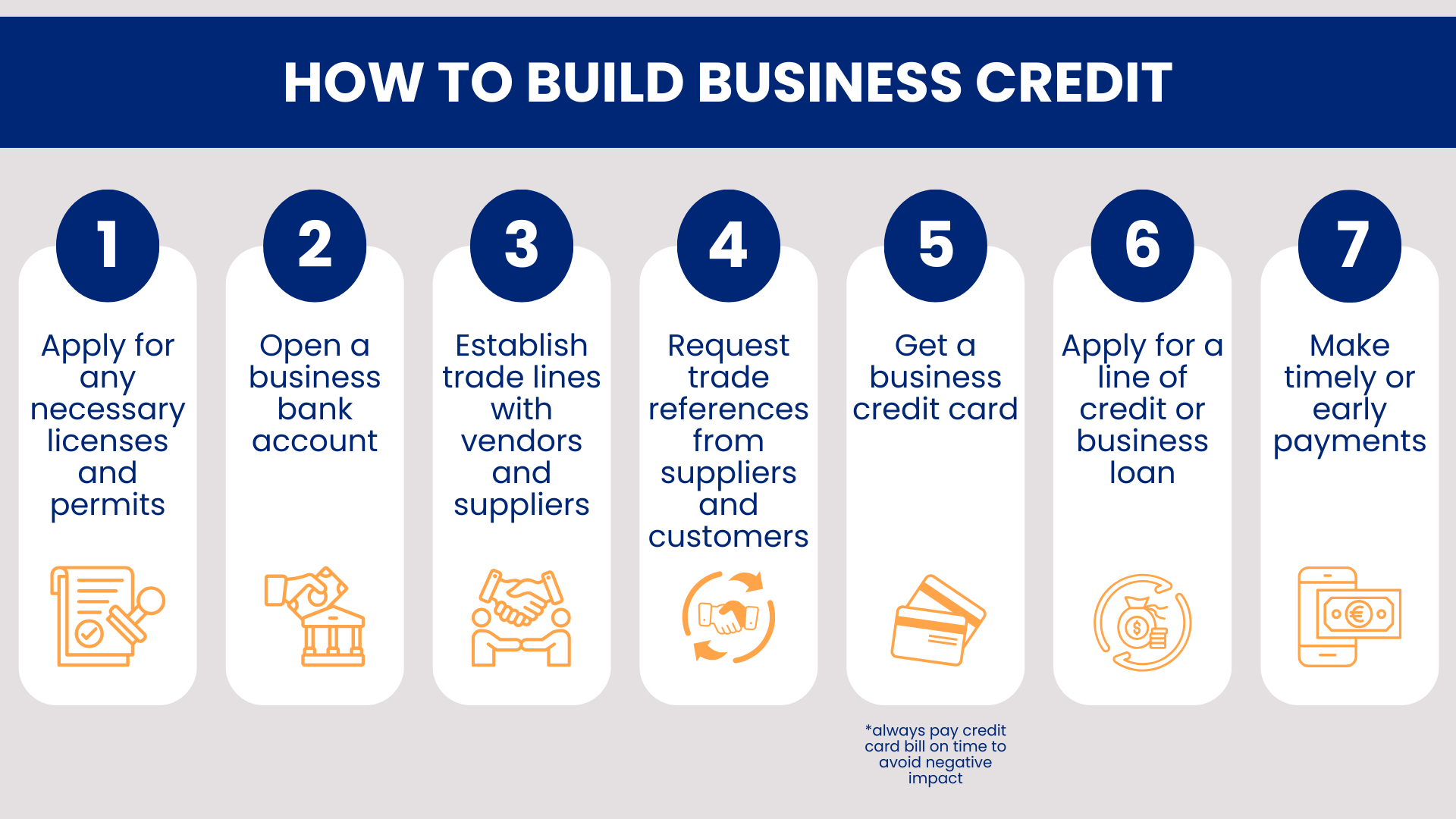
Step-by-Step Guide to Building Business Credit