Merchant Cash Advances: A Comprehensive Guide

Merchant cash advances (MCAs) have become a popular financing tool for small businesses seeking quick capital without the hurdles of traditional loans. This form of funding allows companies to access lump sums based on future credit card sales, offering flexibility in times of need.

However, understanding the nuances is crucial for making informed decisions. While MCAs provide rapid access to capital, they often come with significantly higher costs than traditional financing options—with effective APRs frequently exceeding 100%. The convenience of quick funding and flexible repayment can mask the true financial burden these advances place on businesses.

Beyond the basics, partnering with experienced advisors can streamline the decision-making process and uncover better alternatives. For instance, firms like STG Liberty specialize in guiding business owners through complex funding scenarios via their Business Advantage Consulting Program, which helps identify optimal financing paths and avoid costly debt traps.

Why Understanding MCAs Matters

Understanding merchant cash advances is essential for protecting your business's financial health and making strategic funding decisions:
Quick Access to Capital
MCAs provide funds within 24-48 hours, making them ideal for urgent business needs like inventory shortages or equipment repairs.
Flexible Repayment Structure
Payments adjust automatically based on daily sales, providing relief during slower business periods.
No Traditional Collateral
Secured by future receivables rather than physical assets, protecting your business property.
Accessible for Challenged Credit
Focus on revenue performance over credit scores makes MCAs available to businesses traditional lenders might reject.
Understanding the True Cost
Factor rates and holdback percentages can result in effective APRs exceeding 100%, making informed decisions crucial.
However, choosing MCAs without understanding alternatives can lead to burdensome debt cycles and cash flow problems. This is where advisors like STG Liberty help assess unique needs and identify optimal paths.

Understanding How Merchant Cash Advances Operate
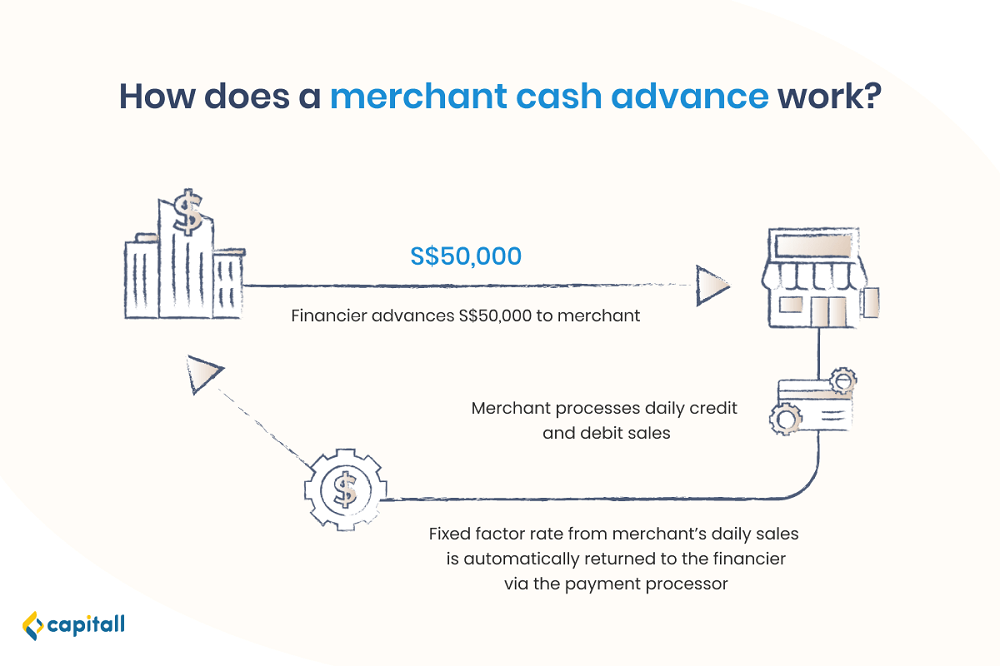
At its core, a merchant cash advance provides a business with upfront capital in return for a percentage of future credit and debit card sales, plus a fee:
How does a merchant cash advance work - visual diagram showing flow from financier advancing funds to merchant processing sales and automatic repayment
Factor Rate
A multiplier (typically 1.1 to 1.5) applied to the advance amount to determine total repayment. Example: $50,000 advance at 1.3 factor rate = $65,000 total repayment.
Pros: Fixed total cost known upfront
Cons: Often translates to 40-150% APR
Factor rate of 1.2-1.5 is common; the lower the factor rate, the better the deal
Holdback Percentage
The portion of daily credit card sales (usually 10-20%) automatically deducted for repayment until the balance is cleared.
Pros: Payments adjust with sales volume
Cons: Daily withdrawals strain cash flow
Lower holdback means slower repayment but better cash flow; higher holdback clears debt faster but increases strain
Retrieval Rate
How frequently payments are withdrawn (daily or weekly), directly impacting your available working capital.
Pros: Automated repayment process
Cons: Constant deductions from revenue
Most MCAs use daily ACH withdrawals from your business bank account
Term Length
No fixed term; repayment speed depends entirely on your sales volume. High sales mean faster repayment, slow sales extend the term.
Pros: No specific due date pressure
Cons: Unpredictable payoff timeline
Typical repayment period ranges from 3-18 months depending on business performance
Total Repayment Amount
Fixed upfront cost calculated by multiplying advance by factor rate. You'll know exactly what you owe from day one.
Pros: Transparent total obligation
Cons: No benefit if you repay early
Unlike loans, paying off early doesn't reduce total amount owed
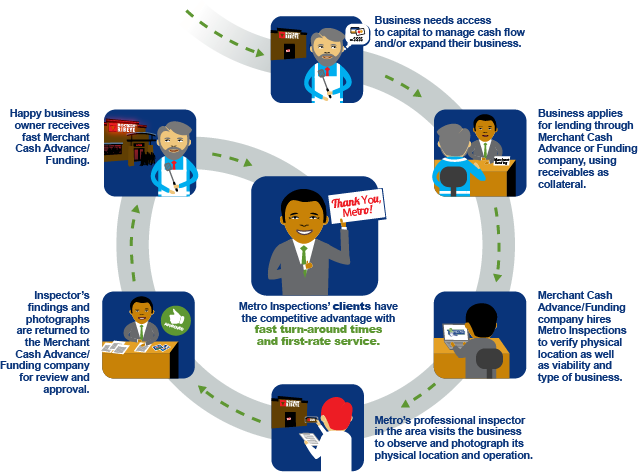
Merchant cash advance process cycle showing business owner receiving funding, applying for lending, and verification steps
Example: A restaurant owner needing $100,000 receives funding at a 1.3 factor rate (total: $130,000). With daily sales of $5,000 and 15% holdback, daily deductions are $750, clearing debt in 6-12 months.

Eligibility Criteria and Application Requirements

Qualifying for an MCA is often easier than for bank loans, but understanding requirements helps set realistic expectations:
1
Monthly Credit Card Sales
Minimum $10,000 in monthly credit card processing volume. Providers analyze 3-6 months of processing statements to verify consistency.
2
Time in Business
At least 3-6 months of operation required. Some providers accept newer businesses with strong sales volume and projections.
3
Credit Score Flexibility
Personal credit score as low as 500 may qualify. Focus is on business revenue rather than creditworthiness, though better credit helps.
4
Bank Statements
Recent 3-6 months of business bank statements required to demonstrate cash flow patterns and verify deposit consistency.
5
Business Type
Retail stores, restaurants, e-commerce businesses with high credit card volume are preferred. B2B companies may face challenges.
While approval is easier, it doesn't guarantee affordability. Consulting STG Liberty's Business Advantage Consulting Program can provide clarity and prevent overcommitment.

Advantages of Merchant Cash Advances

Despite their high costs, MCAs offer several benefits that can be valuable for specific business situations:
Rapid Funding Speed
Funds typically available within 24-48 hours of approval, sometimes same-day for urgent business needs.
Sales-Based Flexibility
Payments automatically adjust with revenue—pay more when sales are strong, less during slow periods.
No Asset Collateral
No need to pledge property, equipment, or inventory. The advance is secured by future sales only.
Lenient Qualification
Bad credit or limited business history won't automatically disqualify you if sales are consistent.
Simple Application
Minimal paperwork compared to traditional loans—usually just bank and processing statements required.
Versatile Fund Usage
Use capital for any business purpose without restrictions: inventory, marketing, payroll, equipment, or emergencies.
For seasonal operations, this adaptability can help. However, the high costs mean MCAs should only be used when absolutely necessary and when alternatives aren't viable.

Critical Drawbacks and Risks of MCAs

Despite advantages, MCAs carry significant downsides that can jeopardize business health:
Extremely High Costs
Effective APRs often exceed 100%, making MCAs one of the most expensive financing options available to businesses.
Daily Cash Flow Strain
Constant automatic withdrawals can severely impact working capital, especially during slower sales periods or seasonal downturns.
Debt Cycle Risk
Businesses often stack multiple advances to cover previous ones, leading to compounding fees and potential default.
No Credit Building
Successful repayment doesn't improve your credit score, missing an opportunity to strengthen future creditworthiness.
Predatory Practices
Some providers use deceptive terms, hidden fees, and aggressive collection tactics that harm businesses.
No Early Payoff Benefit
Unlike loans, paying off an MCA early doesn't reduce the total amount owed—you pay the full factor rate regardless.
Businesses in volatile industries risk entering a "vicious cycle," where new advances cover old ones. Thorough review and professional guidance from STG Liberty are essential.

Smarter Alternatives to Merchant Cash Advances
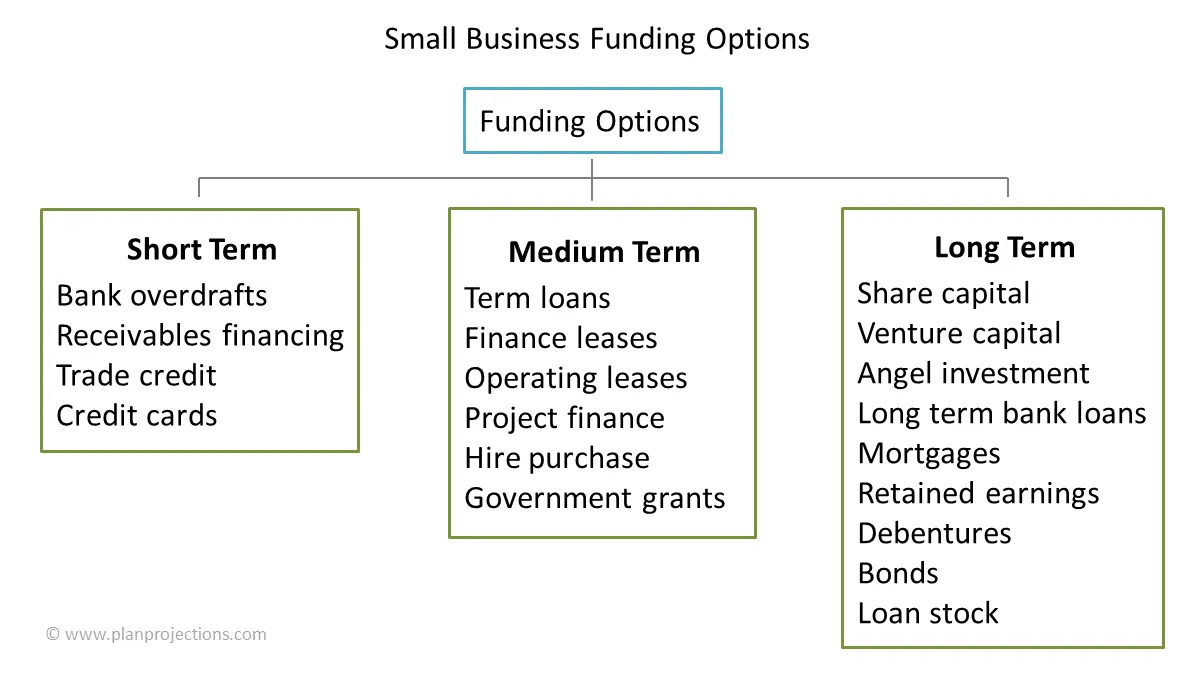
Before committing to an MCA, explore these alternatives that often provide better terms for long-term financial stability:
Small business funding options chart showing short term, medium term, and long term financing categories
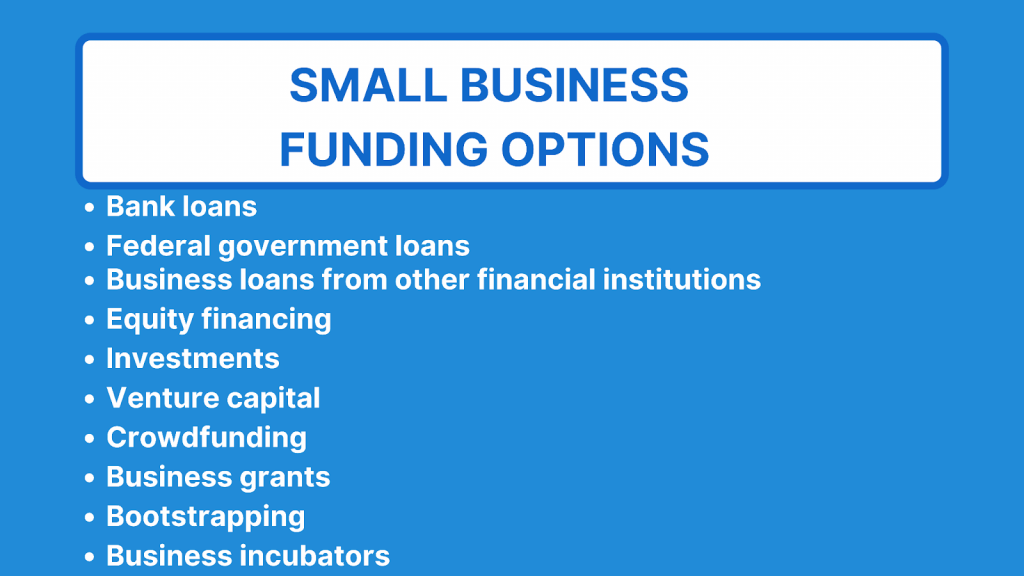
Comprehensive list of small business funding options including bank loans, government loans, equity financing, and more
Term Loans
Fixed amount with interest rates, predictable monthly payments over 1-10 years
Key Advantage: Much lower interest rates (7-10% vs 100%+)
Best For: Established businesses with good credit seeking major purchases or expansion
Business Lines of Credit
Revolving credit, pay interest only on amount used, flexibility like a credit card
Key Advantage: Lower rates (8-15%) and only pay for what you use
Best For: Managing cash flow gaps and ongoing working capital needs
Invoice Financing
Advance on unpaid customer invoices, typically 70-90% of invoice value
Key Advantage: Much faster and cheaper than MCAs for invoice-based businesses
Best For: B2B businesses with outstanding invoices from creditworthy customers
SBA Loans
Government-backed loans with favorable terms, low rates, and long repayment periods
Key Advantage: Lowest rates available (8-13%), up to $5 million available
Best For: Patient businesses able to wait 30-90 days for approval
Equipment Financing
Asset-based loan secured by equipment being purchased
Key Advantage: Equipment serves as collateral, easier approval than unsecured loans
Best For: Businesses needing machinery, vehicles, or technology equipment
Revenue-Based Financing
Similar structure to MCA but with transparent terms and capped repayment
Key Advantage: More transparent and often cheaper than traditional MCAs
Best For: Growth-stage businesses with consistent revenue seeking flexible repayment
Switching to these alternatives can save thousands in financing costs. STG Liberty specializes in matching businesses to optimal alternatives via their Business Advantage Consulting Program.

The MCA Application Process

If you've determined an MCA is necessary, understanding the application process helps you prepare:
1
Submit Application
Provide basic business information, revenue history, and contact details. Most applications take 10-15 minutes to complete online.
2
Document Submission
Upload 3-6 months of bank statements and credit card processing statements. Some providers may request tax returns or business licenses.
3
Quick Underwriting
Providers review cash flow patterns and sales consistency. This automated process typically takes 1-24 hours for initial decision.
4
Receive Offer
If approved, receive offer outlining advance amount, factor rate, holdback percentage, and total repayment. Review all terms carefully.
5
Sign Agreement
Review contract thoroughly, understand all fees and terms. Consider having an attorney or advisor like STG Liberty review before signing.
6
Receive Funds
Money typically wired to business bank account within 24-48 hours. Automatic daily repayments begin immediately.
The process is fast but don't rush. Take time to review all terms and compare multiple providers before signing any agreements.

Essential Preparation Tips

Proper preparation can help minimize risks and ensure you make the best decision for your business:
Calculate True Cost
Convert factor rates to APR to understand real borrowing costs. Compare with other financing options to ensure MCA is truly necessary.
Model Cash Flow Impact
Project daily deductions under various sales scenarios. Ensure your business can sustain operations with reduced daily cash flow.
Compare Multiple Providers
Get quotes from at least 3-5 providers. Compare factor rates, holdback percentages, fees, and reputation before deciding.
Explore Alternatives First
Seriously investigate term loans, lines of credit, and invoice financing. MCAs should be last resort due to high costs.

Professional Guidance Checklist:

  • Review all terms with a business advisor or attorney
  • Calculate and compare effective APR across all options
  • Model cash flow impact under best and worst case scenarios
  • Ensure you have explored all alternative financing sources

Common Pitfalls and How to Avoid Them

Underestimating Total Cost
Failing to calculate effective APR and total repayment amount. Always convert factor rates to APR for accurate comparison.
Ignoring Cash Flow Impact
Not modeling how daily deductions affect operations. Reduced cash flow can create new problems while solving old ones.
Stacking Multiple Advances
Taking new MCAs to pay off old ones creates dangerous debt spiral. Seek professional debt consolidation instead.
Skipping Alternative Research
Not exploring cheaper options like term loans or lines of credit before committing to expensive MCA financing.
Overlooking Hidden Fees
Missing origination charges, administrative costs, or early repayment penalties that inflate total expenses.
Avoid these mistakes by doing thorough research, comparing options, and seeking expert guidance from advisors like STG Liberty.

The Importance of Professional Advice

Navigating financing options alone can lead to costly mistakes, especially with complex and expensive products like merchant cash advances. The high costs and potential debt traps associated with MCAs make professional guidance not just valuable—but essential.

That's where experts like STG Liberty come in. Specializing in business loans, debt consolidation, and consulting, STG Liberty empowers owners with customized solutions for expansion, inventory, payroll, and more— helping them avoid predatory MCA terms when better options exist.

Through the Business Advantage Consulting Program, STG Liberty offers tailored consultations that evaluate your financial health, recommend suitable options, and assist with applications. Their expertise can uncover overlooked opportunities, like favorable loan terms or credit lines, while mitigating risks such as debt cycles and over-leveraging.

STG Liberty Business Advantage Consulting Program Benefits:

  • Comprehensive cash flow analysis to assess true funding needs
  • Identification of optimal financing paths—often cheaper than MCAs
  • Expert guidance to avoid high-cost traps like stacked advances
  • Assistance with complex applications for traditional financing
  • Debt consolidation strategies for businesses trapped in MCA cycles
  • Risk mitigation and long-term financial planning

Engaging STG Liberty early prevents costly errors and accelerates growth. Many clients report saving thousands by avoiding MCAs in favor of better alternatives identified through the program's comprehensive approach.
Make Informed Financing Choices

Merchant cash advances serve a niche but demand extreme caution due to costs and risks. By understanding their history, mechanics, advantages, critical disadvantages, regulations, and—most importantly—better alternatives, you can make wise decisions that support sustainable growth.
Remember, professional guidance amplifies your efforts. STG Liberty, with its Business Advantage Consulting Program, stands ready to advise on customized solutions, helping you identify better financing options and avoid the pitfalls of expensive merchant cash advances.
Whether you're facing an urgent need or planning for growth, proactive financing strategies pave the way for enduring prosperity. Embark on your journey today—assess your needs, explore all options, and consult experts before committing to any financing decision.
STG Liberty
© 2026 STG Liberty. All Rights Reserved.